

 See My Latest Article on HelloNation

Mice can enter a house through an opening about the width of a pencil. Once indoors, they may shelter in wall voids, attics, crawl spaces, garages, or areas behind appliances. In Colfax, seasonal temperature changes, older housing, detached storage areas, and nearby fields or vegetation can all make homes more appealing to mice, especially as outdoor conditions turn colder.
The most effective do-it-yourself approach combines exclusion, food control, moisture reduction, and careful monitoring. Traps can remove mice already inside, but sealing entry points is what prevents the problem from continuing.
How can residents tell whether mice are entering the house?
Common signs include droppings, scratching sounds, gnaw marks, nesting material, and a stale or musky odor. Mouse activity is often noticed before a mouse is actually seen.
Look for:
- Small, dark droppings near food storage, baseboards, drawers, or wall edges
- Shredded paper, fabric, insulation, or dried plant material used as nesting material
- Chewed food packaging or rough edges on wood, plastic, or wiring
- Greasy rub marks along frequently traveled walls
- Scratching or rustling sounds after dark
- A pet showing unusual interest in one section of a wall or cabinet
Fresh droppings are usually darker and softer-looking, while older droppings become dry and dull. Avoid sweeping or vacuuming droppings before wetting them, because disturbed contaminated material can become airborne.
Where should a house be checked for mouse entry points?
Inspect the lower exterior first, then work upward. Mice commonly enter where different materials meet or where utilities pass through walls.
Pay close attention to:
- Gaps around water pipes, electrical lines, gas lines, and cable connections
- Openings beneath doors, including garage and basement doors
- Cracks where foundations meet siding
- Damaged foundation vents or crawl-space screens
- Gaps around windows, especially in older frames
- Roof or attic openings around vents, chimneys, and utility penetrations
- Spaces behind outdoor faucets and attached structures
- Areas where siding, trim, or roofing has pulled away
A flashlight is useful during the inspection. Look for daylight from inside a dark basement, crawl space, garage, or attic. A small mirror can help inspect behind pipes and beneath cabinets.
Mice can climb and squeeze through surprisingly small spaces, so a gap that appears insignificant may still matter if it leads into a protected wall or ceiling cavity.
What materials work best for sealing mouse holes?
Durable repairs usually require a combination of materials rather than expanding foam alone. Foam can fill a gap, but mice may chew through it if it is not protected.
For small openings, use tightly packed copper or stainless-steel mesh followed by caulk or an appropriate sealant. For larger gaps, thin hardware cloth, sheet metal, mortar repair, or a securely fitted piece of wood may be more suitable.
Helpful repair principles include:
- Use metal mesh over openings that mice could chew
- Cover vents with rodent-resistant screening while preserving airflow
- Install door sweeps and repair damaged thresholds
- Replace broken foundation or crawl-space screens
- Seal pipe penetrations on both the interior and exterior sides when accessible
- Recheck repairs after heavy weather or home maintenance work
Do not block required ventilation openings or create unsafe conditions around heating equipment. Any repair near electrical wiring, gas lines, or combustion appliances should be approached cautiously.
How can food and household habits discourage mice?
Mice do not need much food to survive. A few crumbs, an open pet-food container, or spilled birdseed can support activity even when a kitchen appears clean.
Store grains, cereal, flour, rice, pet food, and similar items in tightly closed containers. Cardboard packaging is not reliable protection. Clean food spills promptly, including beneath appliances and inside drawers.
Other useful habits include:
- Feed pets at set times rather than leaving food out overnight
- Empty indoor garbage regularly and keep the container covered
- Clean crumbs from counters, floors, and sofa cushions
- Store birdseed and animal feed in sealed, chew-resistant containers
- Rinse recyclable food containers before storing them indoors
- Keep pantry shelves organized so droppings and gnawing are easier to notice
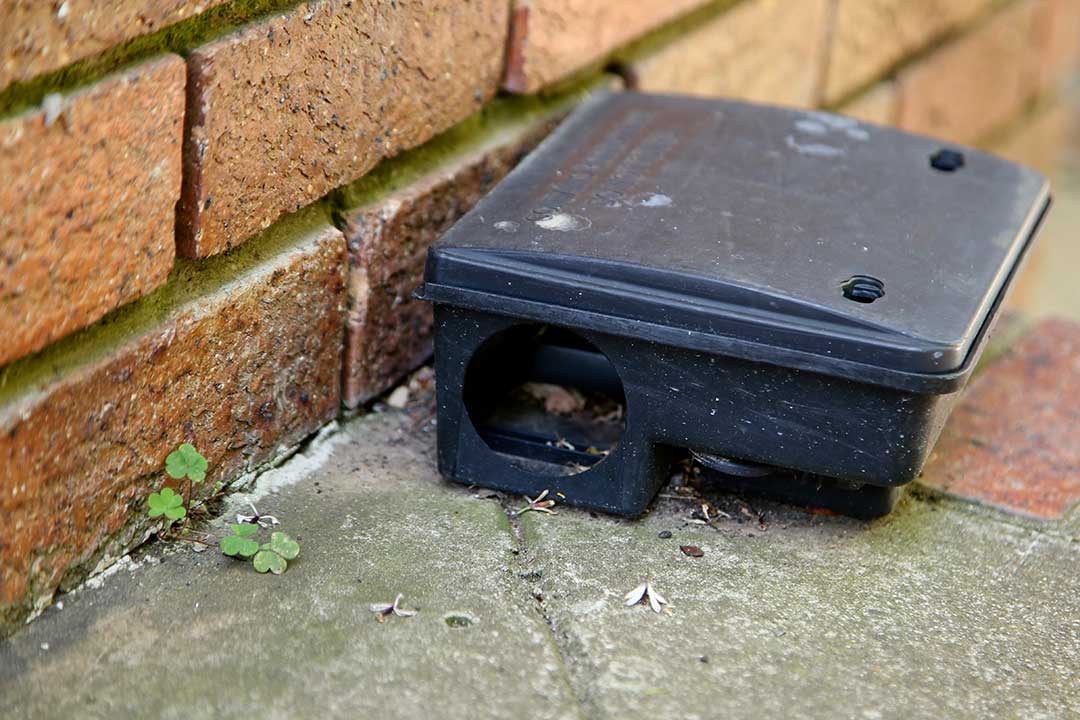
Outdoor habits also matter. Move fallen fruit, spilled feed, and dense piles of plant debris away from the foundation. Firewood should be stored off the ground and away from exterior walls when possible, since stacked materials can provide shelter close to the house.
Do clutter and moisture attract mice?
Clutter does not necessarily attract mice by itself, but it gives them places to hide and nest. Boxes, unused furniture, stored clothing, and insulation in undisturbed areas can make activity harder to detect.
Reduce concealed shelter by keeping storage off the floor and leaving a small inspection gap along walls. In garages, basements, and outbuildings, avoid creating deep, undisturbed piles.
Moisture can also make a structure more attractive. Repair leaking plumbing, address damp crawl spaces, clean clogged gutters, and correct water pooling near the foundation. Mice obtain some moisture from food, but damp areas can support insects and other food sources while also creating favorable nesting conditions.
Which traps are practical for do-it-yourself mouse control?
Snap traps are generally a practical indoor option when placed correctly. Set them along walls, behind appliances, inside cabinets, or near signs of activity. Mice usually travel beside walls rather than across open floors.
Place the trigger end toward the wall, or position two traps parallel to the wall with the triggers facing opposite directions. A small amount of bait is enough; food with a strong scent may work, but the trap’s location is often more important than the bait.
Check traps frequently and keep them away from children and pets. If activity is occurring in an inaccessible wall or ceiling void, placing traps where they cannot be inspected may create odor and sanitation problems.
Live traps require regular monitoring. A trapped mouse can become stressed, dehydrated, or injured, and releasing it near the house may allow it to return. Any release must also comply with applicable local and state requirements.
Are ultrasonic devices, peppermint oil, or mothballs reliable?
Many commonly suggested repellents provide inconsistent results. Strong scents may temporarily alter mouse behavior, but they do not seal entry points or remove food and shelter.
Ultrasonic devices may not affect mice consistently throughout a house, particularly where walls, furniture, and appliances block the sound. Peppermint oil and similar household scents generally do not solve an established infestation.
Mothballs should not be used as an indoor mouse repellent. They contain pesticides designed for specific labeled uses, and vapors can be hazardous when used incorrectly. Never place them in areas where children, pets, or occupants may be exposed.
What should households do about droppings and nesting material?
Ventilate the area if possible, then wear disposable gloves. Do not dry sweep or vacuum droppings. Spray the material with household disinfectant or a suitable sanitizing solution, allow it to remain wet for the label-directed time, and wipe it up with paper towels.
Bag contaminated disposable materials before placing them in household waste. Wash gloved hands before removing the gloves, then wash bare hands thoroughly. Clothing or bedding contaminated by nesting material should be laundered using the warmest setting appropriate for the fabric.
Use extra caution in enclosed spaces, heavy infestations, or areas contaminated by urine and nesting debris. People with respiratory conditions may need to avoid cleanup altogether.
When is do-it-yourself control no longer enough?
DIY measures may be insufficient when fresh signs continue after entry points are sealed and traps are properly placed, when mice are active in inaccessible areas, or when wiring, insulation, or ventilation systems have been damaged.
Additional caution is warranted if there are numerous droppings, strong odors, dead rodents, contaminated air ducts, or signs of chewing near electrical components. Rodent-damaged wiring can create a fire risk, while contaminated insulation may require specialized handling.
A successful prevention plan is usually straightforward: inspect carefully, seal openings with chew-resistant materials, remove accessible food and shelter, place traps safely, and monitor for new signs over the following weeks. In a home exposed to cold weather, field edges, or older construction, repeating that inspection each fall can help prevent a small entry problem from becoming an indoor infestation.