

 See My Latest Article on HelloNation
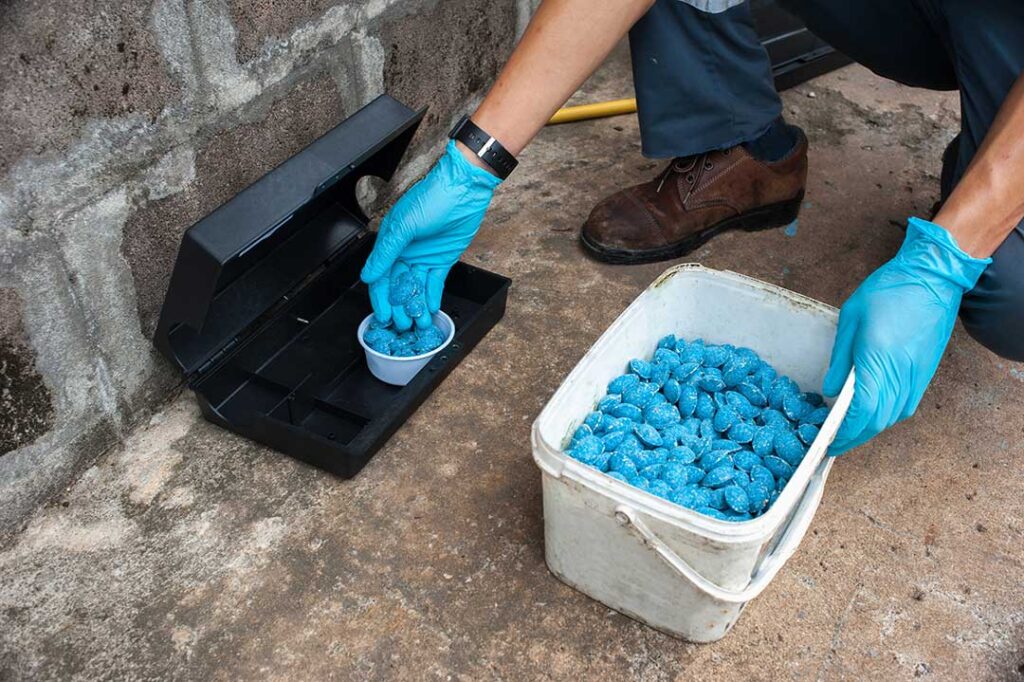
Fleas and ticks can enter a home on dogs, cats, clothing, shoes, wildlife, or rodents. The safest indoor strategy is not to rely on a single spray or household remedy. Instead, combine regular pet checks, cleaning, targeted prevention, and careful product use.
For households in Colfax, WA, seasonal outdoor activity, grassy areas, brush, wildlife, and changing moisture conditions can all affect exposure. Fleas may remain active indoors year-round if they have access to a host, while ticks can be carried inside after time outdoors.
How can residents prevent fleas and ticks from entering the home?
The most reliable prevention begins with the pet, not the living room. Dogs and cats that receive appropriate parasite prevention are less likely to bring live fleas or attached ticks indoors.
Useful habits include:
- Check pets after time outdoors, especially around the ears, neck, between the toes, under the legs, and near the tail.
- Use a flea comb regularly, particularly if a pet is scratching or spending time in grassy or brushy areas.
- Remove ticks promptly with fine-tipped tweezers by grasping close to the skin and pulling upward steadily.
- Wash or remove outdoor clothing before sitting on furniture or bedding.
- Keep pet bedding, blankets, and washable floor mats easy to clean.
- Limit contact between pets and stray or wild animals.
- Store pet food securely so it does not attract rodents or other animals near the home.
Fleas favor shaded, humid areas and can be carried indoors by pets or wildlife. They may also survive in carpets, upholstered furniture, cracks, and pet sleeping areas. The Centers for Disease Control and Prevention recommends frequent vacuuming and regular washing of pet bedding as basic prevention measures. ([cdc.gov](https://www.cdc.gov/fleas/prevention/index.html?utm_source=openai))
What indoor cleaning routine helps control fleas?
Frequent vacuuming is one of the most useful nonchemical measures for reducing fleas indoors. Vacuum carpets, rugs, upholstered furniture, floor edges, stairs, cracks, and areas where pets rest.
During a suspected infestation, vacuum daily if practical. Flea eggs, larvae, and adult fleas can occupy different parts of the home, so cleaning only the visible areas may leave the life cycle undisturbed. Pay particular attention to:
- Beneath furniture and cushions
- Along baseboards
- Around pet beds and crates
- Entryways and mudrooms
- Carpeted stairs
- Areas where pets nap or spend extended periods
Empty the vacuum canister or remove the bag promptly. Seal the contents in a plastic bag and place it in an outdoor garbage container. Otherwise, fleas may survive inside the vacuum and reemerge.
Wash pet bedding frequently in hot, soapy water if the material allows. Bedding should be dried thoroughly. Wash blankets or family bedding that pets regularly use as well. The Washington State Department of Health recommends frequent cleaning of pet bedding and thorough vacuuming of furniture, rugs, and carpets. ([doh.wa.gov](https://doh.wa.gov/community-and-environment/pests/fleas?utm_source=openai))
Can bathing and combing replace flea medication?
Bathing and combing can reduce adult fleas, but they usually do not eliminate an established infestation by themselves. Flea eggs and immature stages may remain in the home, and new adult fleas can continue emerging.
A flea comb is a low-risk tool for finding and removing adult fleas. Concentrate on the neck, face, and area near the tail. Drop any fleas into soapy water rather than releasing them outdoors or into a sink without treatment.
A veterinarian can help determine whether a pet needs a flea or tick product and which type fits the animal’s age, species, health, weight, and lifestyle. Every pet in the household may need an appropriate plan if fleas are present. Using a product on only one animal can allow the infestation to continue through untreated pets.
What does “pet-safe” actually mean?
“Pet-safe” does not mean that a product is harmless under every circumstance. Safety depends on the species, dose, application site, ventilation, drying time, and whether the label directions are followed.
Before using any flea or tick product:
- Confirm that it is labeled for the correct species and weight range.
- Never use a dog-only product on a cat.
- Do not combine multiple flea and tick products unless a veterinarian specifically advises it.
- Follow restrictions for young, elderly, sick, pregnant, nursing, or medicated animals.
- Keep pets and children away from treated surfaces for the period stated on the label.
- Store pesticides in the original container, away from food, water, children, and animals.
- Wash hands after applying a product.

The Environmental Protection Agency states that pesticide labels provide directions for safe use, storage, first aid, and precautions. EPA also warns that products intended for one animal species may be unsafe for another. ([epa.gov](https://www.epa.gov/pets/epas-regulation-flea-and-tick-products?utm_source=openai))
If a pet develops tremors, vomiting, weakness, excessive drooling, breathing difficulty, or unusual behavior after treatment, move the animal away from further exposure and contact a veterinarian or animal poison resource promptly. Keep the product container available so its ingredients can be identified.
Are essential oils, powders, and household remedies safe?
Many popular home remedies have limited evidence and may create avoidable risks. Essential oils, concentrated plant extracts, borax, diatomaceous earth, and household insecticides can irritate the skin or lungs, cause illness if swallowed, or be especially dangerous to cats and small animals.
Diatomaceous earth, for example, can become airborne and irritate the respiratory tract. Essential oils may be toxic when licked from fur or absorbed through the skin. “Natural” is not the same as risk-free.
Avoid applying any substance directly to a pet unless the product is specifically labeled for that animal and used exactly as directed. Also avoid placing powders into areas where pets can inhale or ingest them.
Should a home flea spray or fogger be used?
Foggers are not automatically safer or more effective than targeted treatment. They may spread pesticide throughout areas that do not need treatment and can create risks if people or pets re-enter too soon.
If an indoor pesticide is considered, select only a product labeled for indoor flea or tick control and follow every instruction. Remove pets, children, food, toys, and uncovered dishes as directed. Observe ventilation and re-entry requirements. Never spray animals with a product intended for floors, carpets, furniture, or baseboards.
For flea control, sanitation and pet treatment must occur on the same general timeline. The flea life cycle includes stages that are less affected by insecticides, so follow-up cleaning and monitoring are often necessary. The CDC notes that moderate or severe infestations may require repeated attention over time rather than a single treatment. ([cdc.gov](https://www.cdc.gov/fleas/getting-rid/index.html?utm_source=openai))
How can the surrounding property reduce indoor risk?
Outdoor conditions influence what enters the home. Keep grass trimmed near frequently used areas, reduce excessive moisture, and remove clutter that provides shelter for rodents or wildlife. Store firewood neatly off the ground and keep brush, debris, and unused materials away from exterior walls when practical.
Pay attention to places where pets rest outdoors, such as shaded runs, covered porches, and areas beneath decks. Do not leave pet food outside, since it can attract animals that carry fleas or ticks.
A simple entry routine can also help: inspect pets before they come inside, brush them in an easily cleaned area, and place frequently used outdoor blankets directly into the wash.
When is additional help justified?
Persistent fleas despite consistent cleaning and appropriate pet treatment may indicate untreated areas, wildlife or rodent activity, or a continuing source outside the home. Heavy infestations, pesticide exposure, or uncertainty about a pet’s health require guidance from a veterinarian or qualified pesticide professional.
The main safety principle is to treat the pet, the indoor environment, and the likely source together—without adding unnecessary chemicals. Regular inspection and cleaning are usually safer and more useful than repeated, unscheduled spraying.