

 See My Latest Article on HelloNation
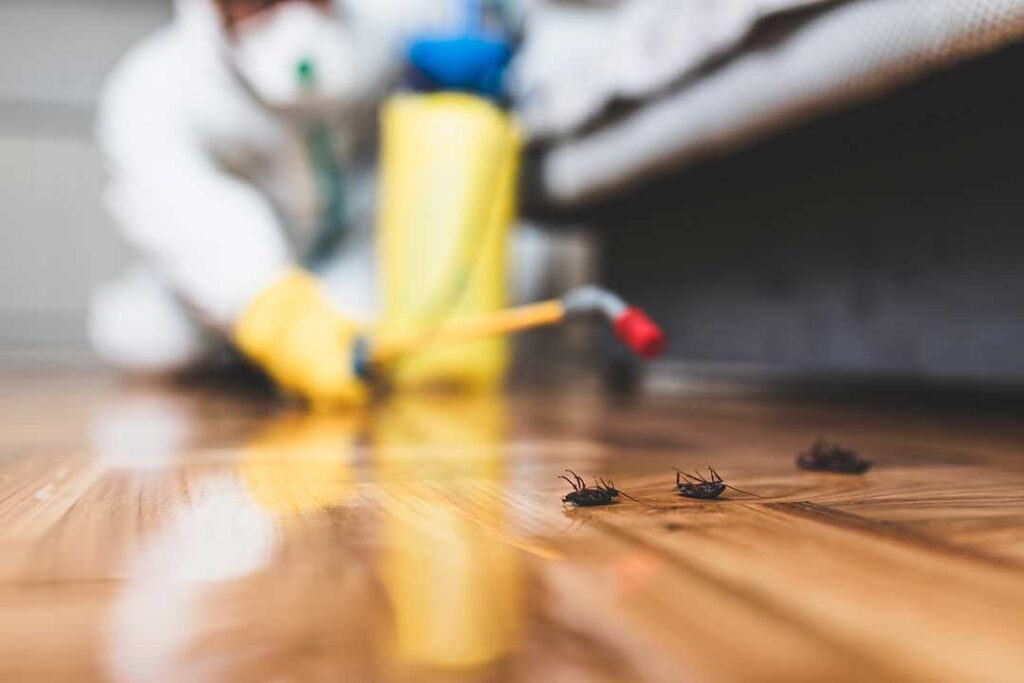
What counts as an early sign of an infestation?
In Colfax, WA, a pest problem often becomes noticeable before residents see an insect or rodent directly. Small changes—such as droppings, damaged materials, unusual odors, or repeated nighttime sounds—can indicate that pests are using a home for food, water, shelter, or nesting space.
An isolated insect may have entered by chance. Repeated evidence in the same area is more concerning, especially when several signs appear together. Early attention can help identify the source before pests spread into walls, stored belongings, insulation, or food-storage areas.
Which signs should residents look for first?
The most useful clues are physical traces left behind by pests. Check areas that are dark, quiet, warm, damp, or rarely disturbed.
Common early indicators include:
- Small droppings in cupboards, drawers, garages, utility rooms, or along walls
- Gnaw marks on food packaging, wood, wiring, or plastic containers
- Grease marks or dark smudges along baseboards and wall edges
- Shed skins, insect wings, egg cases, or nesting material
- Small holes around pipes, vents, doors, windows, or the foundation
- Unusual odors that return after cleaning
- Damaged fabrics, paper goods, insulation, or stored cardboard
- Scratching, chewing, or movement sounds after dark
A single clue does not always identify the pest. For example, small dark specks may come from insects, while larger tapered droppings may suggest a rodent. Location and pattern matter as much as appearance.
Do droppings always mean pests are still present?
Not necessarily, but fresh droppings suggest recent activity. Older waste may remain after pests have left, so residents should look for additional evidence.
Fresh droppings may appear moist, dark, or soft, while older material can become dry, dull, and crumbly. New droppings appearing after an area has been cleaned are a stronger indication of ongoing activity. Avoid sweeping or vacuuming unknown droppings until the area has been assessed safely, because dry waste can release particles into the air.
Use disposable gloves, keep children and pets away, and wash hands thoroughly after handling contaminated materials. If droppings are widespread, located near heating or ventilation equipment, or associated with a strong odor, extra caution is appropriate.
What sounds suggest pests inside walls or ceilings?
Repeated nighttime noises can point to rodents or other animals moving through concealed spaces. Scratching, gnawing, rustling, or quick footsteps are especially noticeable when the home is quiet.
Sound location can provide useful information:
- Scratching near the roofline may indicate activity in an attic or wall cavity.
- Movement beneath floors may be linked to crawlspaces, plumbing openings, or gaps around foundations.
- Gnawing sounds near kitchens or utility areas may suggest access to food, wiring, or nesting material.
- Repeated fluttering or light tapping may indicate insects or animals near vents, chimneys, or attic openings.
Occasional sounds can come from expanding pipes, heating systems, or settling materials. A consistent pattern at similar times, particularly when paired with droppings or damage, deserves closer inspection.
How can damage reveal where pests are entering?
Pests usually follow available routes rather than entering randomly. Examine places where different materials meet, including door thresholds, window frames, siding, roof edges, plumbing penetrations, and utility lines.
Rodents can fit through openings only slightly larger than their heads. Gaps around pipes, damaged screens, loose weather stripping, and cracks near the foundation can all provide access. In older homes, additions, attached garages, crawlspaces, and unfinished utility areas may create connected pathways.
Look for:
- Freshly chewed edges on wood or plastic
- Enlarged holes in screens or vents
- Loose insulation or disturbed nesting material
- Tracks through dust near walls or stored items
- Small openings with staining, hair, or debris around the edges

Sealing one visible hole may not solve the problem if food, water, and nesting areas remain available elsewhere. A pattern of damage can be more informative than any single opening.
Are unusual smells an early warning sign?
Yes. Persistent odors can indicate droppings, urine, decaying pests, nesting materials, or moisture that is attracting insects. A stale or musky smell in a closed room may be especially noticeable after the home has been vacant or during warmer weather.
Odors near sinks, drains, crawlspaces, wall cavities, attics, or stored food should be investigated. Some insects also produce a distinctive musty or oily odor when present in large numbers. However, household plumbing problems, mold, wet insulation, and dead animals can create similar smells.
Do not rely on air fresheners to hide a recurring odor. Note where the smell is strongest, whether it changes with weather or heating, and whether other evidence is present.
Which seasonal patterns matter in Colfax?
Seasonal changes can influence pest activity in the community. During colder periods, rodents and other pests may seek warmer indoor shelter, particularly in garages, attics, crawlspaces, wall voids, and spaces around heating equipment. In spring and summer, insects may become more active around doors, windows, gardens, stored firewood, and sources of standing water.
Dry conditions can make outdoor water sources more attractive, while heavy rain may drive insects or small animals toward higher, drier shelter. Building age, landscaping, drainage, and nearby vegetation can also affect which areas receive pest activity.
Seasonal movement does not automatically mean a home has an infestation. Repeated indoor signs after weather changes, however, may reveal an entry point or an ongoing sheltering site.
What should be checked in kitchens and food-storage areas?
Kitchens provide food, water, warmth, and many hiding places, making them common early detection areas. Inspect the spaces beneath sinks, behind appliances, inside lower cabinets, and around pet-food storage.
Look for torn packaging, fine food dust, droppings, gnaw marks, or insects gathered near corners and hinges. Transfer dry goods into sealed containers, clean crumbs from hidden edges, repair leaking plumbing, and avoid leaving pet food out overnight.
Pantry pests may be brought into the home through packaged grains, flour, cereal, dried foods, or birdseed. Signs can include webbing inside containers, clumped food, tiny larvae, or small moths near cupboards. Infested food should be discarded in a sealed bag, and nearby items should be inspected.
What should be checked outside?
Outdoor inspection can reveal problems before pests move deeper into the structure. Walk around the home and examine door sweeps, window screens, vents, roof edges, hose connections, foundation joints, and areas where utility lines enter.
Keep stored materials elevated when possible, reduce clutter against exterior walls, and avoid allowing leaves or damp debris to remain against the structure. Firewood and lumber should be stored away from walls and raised above the ground.
Gutters and downspouts should direct water away from the foundation. Standing water in containers, clogged drainage areas, and leaking outdoor fixtures can increase insect activity near entry points.
When is a sign serious enough to investigate promptly?
Prompt attention is warranted when evidence is repeated, increasing, or connected to health and safety concerns. Examples include rodents inside living areas, exposed electrical wiring with chew marks, pests near food-preparation surfaces, stinging insects inside occupied rooms, or droppings in large amounts.
Residents should also act cautiously if pests are found around infants, older adults, people with respiratory conditions, or household members with allergies. Avoid mixing pesticides or applying products in ways not stated on the label. Children and pets should be kept away from treated areas, and contaminated materials should be handled with appropriate protection.
A practical first step is to document what was found, including the location, date, odor, type of damage, and whether the evidence appears fresh. That record can help distinguish a one-time visitor from a developing household problem.