

 See My Latest Article on HelloNation
Bathrooms can seem like an unusual place to find spiders, but they provide several things these predators need: moisture, shelter, warmth, and access to small insects. In Colfax, WA, seasonal temperature changes, older housing features, crawl spaces, garages, and gaps around plumbing can all make bathroom sightings more noticeable.
Finding an occasional spider does not automatically mean a home has a serious infestation. More often, the spider is following food or entering through a small opening near a window, vent, pipe, door, or baseboard.
Why do spiders keep appearing in the bathroom?
Spiders usually appear because the bathroom offers favorable conditions or because insects are already present. Moisture itself does not generally attract spiders as strongly as it attracts the small insects and other arthropods that spiders hunt.
Common reasons include:
- Humidity from showers and baths
- Small flies, moths, ants, or other insects near drains and lights
- Gaps around plumbing penetrations
- Loose window screens or worn weatherstripping
- Clutter beneath sinks or behind stored items
- Warmth during colder weather
- Webs and egg sacs hidden in corners, cabinets, or behind fixtures
A bathroom may also be one of the easiest rooms in which to notice spiders. Light-colored walls, smooth flooring, bright ceiling lights, and open floor space make a moving spider more visible than it would be in a basement, garage, attic, or crawl space.
Does bathroom moisture attract spiders?
Moisture can contribute indirectly. Spiders do not typically move into a bathroom simply because someone took a hot shower. However, persistent dampness can support insects, mold-associated organisms, and other small prey that become food for spiders.
Look for conditions such as:
- A bathroom fan that is weak, noisy, or rarely used
- Condensation remaining on mirrors and walls long after bathing
- Damp areas beneath the sink
- Slow leaks around supply lines or the toilet
- Water collecting near the tub or shower
- A vent that does not discharge properly outdoors
- Cracked caulking that allows moisture into wall gaps
Reducing humidity helps make the room less suitable for prey insects and can also protect the building from wood damage and mold. Running the exhaust fan during bathing and for a period afterward, wiping up standing water, and repairing leaks are practical first steps.
Why are spiders found near the tub, sink, or toilet?
Spiders commonly travel along edges, corners, and protected surfaces rather than crossing open areas. Plumbing fixtures create concealed routes where pipes pass through walls and floors. The space beneath a vanity, the back edge of a toilet, and the gap beside a tub can provide shelter and access to nearby insects.
A spider may also fall or become trapped in a smooth-sided tub or sink. It may have entered from a wall void, ceiling, window, or floor-level gap and then been unable to climb back out. This can make it appear that the fixture itself attracted the spider.
Drains are often blamed, but spiders rarely come up through a water-filled drain trap. A spider found near a drain is more likely to have walked there from another part of the room or entered through a nearby gap.
Are the spiders in Washington bathrooms dangerous?
Most spiders found indoors are not medically significant and prefer to escape rather than confront people. Washington has many harmless house and garden spiders, including funnel-weaving, cobweb-building, jumping, and hunting species.
Black widow spiders are the main medically important concern in the state, especially in dry, quiet, undisturbed areas such as woodpiles, garages, crawl spaces, storage areas, and sheltered exterior locations. A bathroom is not their usual indoor habitat, although any spider can occasionally be carried inside on clothing, boxes, firewood, plants, or stored objects.
Brown recluse spiders are not established in Washington. A brown or gray spider in a bathroom should not automatically be identified as a brown recluse based only on color or a vague marking.
Spider bites are also frequently misidentified. Skin infections, irritated hair follicles, and other medical conditions can resemble a bite. If a suspected bite causes severe pain, spreading redness, significant swelling, muscle cramping, breathing difficulty, or other concerning symptoms, medical advice is appropriate.
What attracts insects—and therefore spiders—to a bathroom?
If spiders are appearing repeatedly, inspect the room for the smaller pests they may be hunting. A bathroom can support insects when there is moisture, organic residue, or easy access from outdoors.
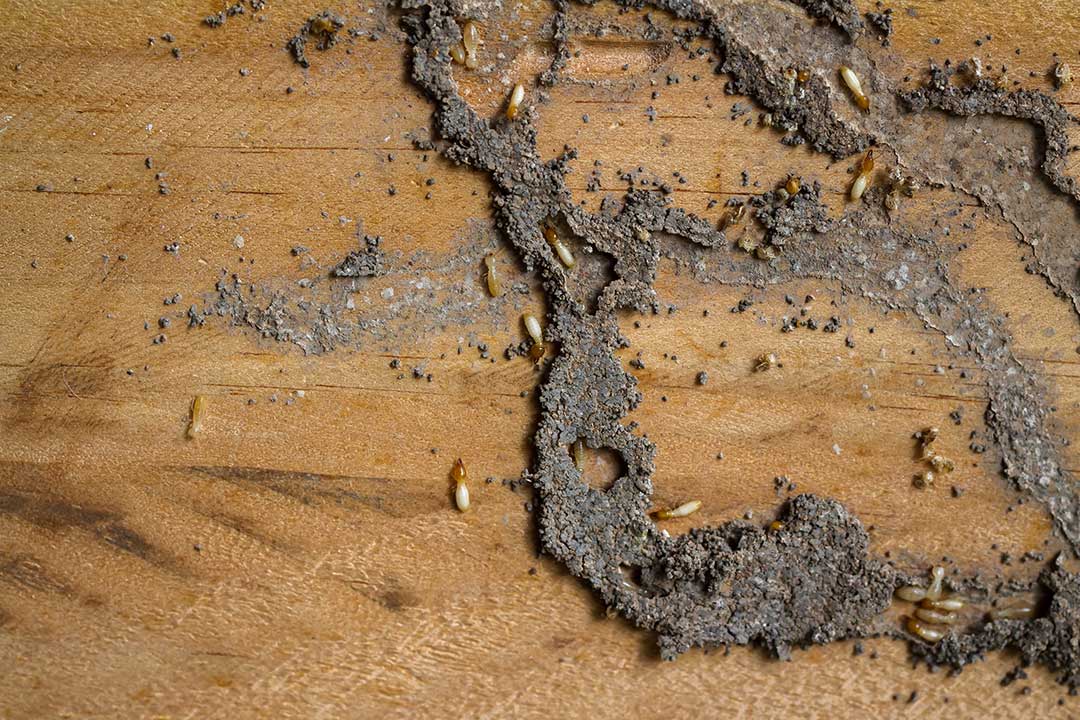
Possible prey sources include:
- Fungus gnats around damp areas or houseplants
- Drain flies near buildup inside drains
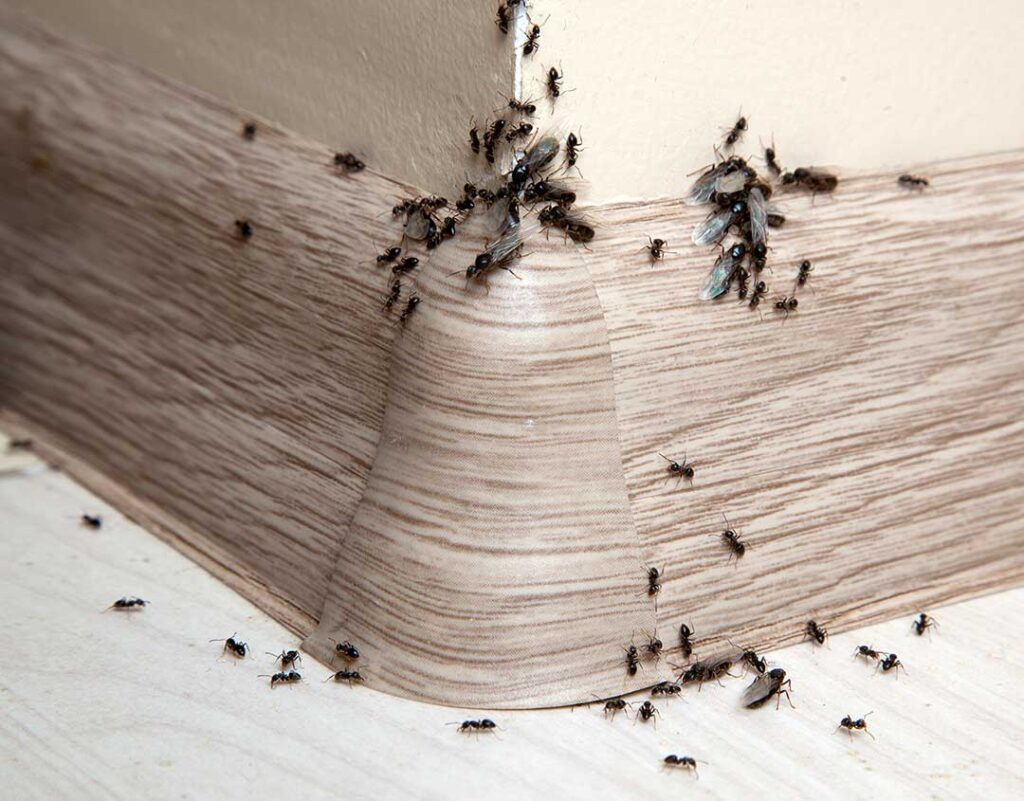
- Ants entering around windows or plumbing
- Small moths attracted to nighttime lighting
- Springtails in persistently damp spaces
- Flies entering through screens, vents, or open doors
Cleaning sink and tub overflow areas, removing hair and residue, drying damp surfaces, and correcting leaks can reduce these food sources. Avoid pouring harsh chemicals into drains as a routine spider-control measure; they may damage plumbing, create fumes, or fail to address the actual entry point.
How can residents reduce spiders in the bathroom?
The most effective approach combines moisture control, insect reduction, exclusion, and regular cleaning.
Start with the room itself:
- Repair plumbing leaks and damaged caulking.
- Use the exhaust fan during showers and afterward.
- Keep the area beneath the sink dry and uncluttered.
- Clean corners, ceilings, window frames, and behind fixtures.
- Remove webs and egg sacs with a vacuum or duster.
- Keep bathroom windows screened and close them when outdoor insects are active.
- Seal visible gaps around pipes, trim, baseboards, and utility openings.
- Replace damaged door sweeps and weatherstripping.
For homes with crawl spaces, attached garages, or older construction, inspect the outside perimeter as well. Spiders can enter through foundation cracks, door thresholds, vents, and openings around utility lines. Outdoor lights near doors and windows may attract flying insects, which in turn can attract web-building spiders.
Pesticide use is not usually the first solution for a few bathroom spiders. Spraying without correcting leaks, gaps, or insect activity often provides only temporary results and may expose household members or pets to unnecessary chemicals. If a product is used, follow its label exactly and keep it away from children, pets, towels, toothbrushes, and other personal items.
When does repeated activity suggest a larger problem?
Repeated sightings do not necessarily mean there are many spiders throughout the home. A small number may be entering through the same opening or becoming visible during seasonal movement.
A closer inspection is warranted when:
- New webs appear within a day or two of being removed.
- Egg sacs are present.
- Spiders are seen in several rooms.
- Numerous small insects are also present.
- Activity continues after moisture and entry points are corrected.
- Spiders are concentrated around a crawl space, attic, garage, or wall opening.
- A spider appears to be a black widow or another unfamiliar species in a location where it could be disturbed.
A clear photograph can help with identification, but avoid handling the spider. If it can be removed safely, a container or vacuum is less risky than touching it or attempting to trap it by hand. For suspected black widows or medically concerning symptoms, use appropriate medical or public-health guidance rather than relying on an internet identification alone.
Bathroom spiders are usually a sign of access, shelter, or available prey—not a sign that the room is dirty. Drying damp areas, reducing insects, sealing openings, and removing webs regularly usually address the conditions that keep bringing them back.