

 See My Latest Article on HelloNation
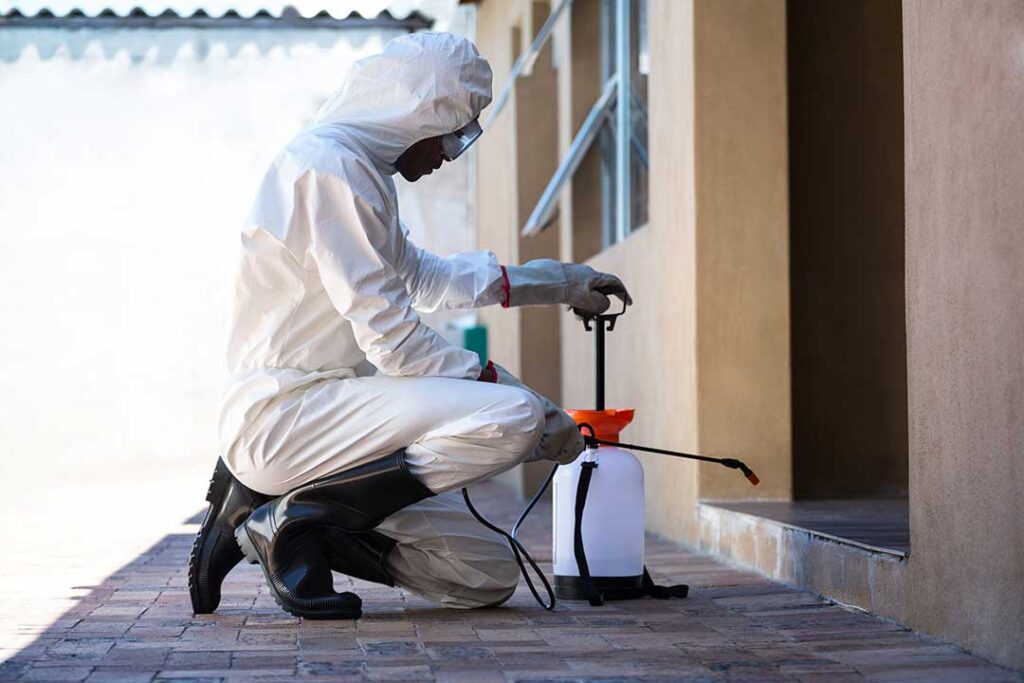
Natural pest repellents can help reduce encounters with some insects, but they rarely solve an established infestation by themselves. In Colfax, WA, the most dependable approach combines limited use of proven repellents with sanitation, moisture control, exclusion, and removal of conditions that attract pests.
Which natural pest repellents have the strongest evidence?
Plant-based repellents are not all equally effective. Their performance depends on the pest, concentration, weather, surface, and how often the product is reapplied.
For mosquitoes, products containing oil of lemon eucalyptus, also identified on labels as PMD, have better evidence than many other plant-based options. The product should be specifically labeled for use as an insect repellent. Pure essential oil is not the same as a tested, formulated repellent and should not automatically be assumed to provide the same protection.
Other ingredients that may provide short-term insect deterrence include:
- Citronella
- Geraniol
- Cedarwood oil
- Peppermint oil
- Clove oil
- Lemongrass oil
- Rosemary oil
These ingredients may repel certain insects briefly, especially in enclosed areas or during calm weather. Their effects often fade quickly outdoors because sunlight, wind, heat, and moisture break down or disperse the aromatic compounds.
A natural ingredient can be active without being consistently reliable. “Plant-based” describes the source of an ingredient, not its strength, safety, or performance.
Do essential oils repel ants, spiders, and other household pests?
Essential oils may temporarily discourage ants, spiders, flies, and some other insects from crossing a treated area. They generally do not eliminate the colony, nest, egg cases, or hidden harborage that is causing the problem.
For example, peppermint or clove scent may make a small area less attractive to ants for a short time. If food residue, water, or an entry gap remains available, the ants may simply use another route. Spiders may avoid a strongly scented surface temporarily, but removing webs and reducing the insects they feed on is usually more effective.
Essential oils also create practical risks:
- Concentrated oils can irritate skin, eyes, and airways.
- Some oils are toxic to cats, dogs, birds, or aquatic life.
- Oils can stain painted surfaces, flooring, upholstery, and finished wood.
- Spraying oils near food-contact surfaces requires careful cleaning.
- Applying oils directly to pets can cause poisoning or skin reactions.
Never assume that a substance is safe simply because it is natural. Follow the product label, keep concentrates away from children and animals, and avoid mixing oils with other cleaning products.
What natural methods work better than scent-based sprays?
The most reliable “natural” pest control is often physical prevention rather than a fragrance. Pests stay away when the home provides fewer resources and fewer entry points.
Useful measures include:
- Repair torn screens and install tight-fitting door sweeps.
- Seal gaps around pipes, utility lines, vents, windows, and foundations.
- Store dry food in sealed containers.
- Clean crumbs, grease, pet food, and spilled beverages promptly.
- Empty indoor garbage regularly and keep outdoor containers closed.
- Correct leaking faucets, hose connections, and plumbing.
- Reduce standing water in buckets, toys, gutters, trays, and low areas.
- Keep firewood, lumber, and dense vegetation away from the foundation.
- Remove leaves and damp debris from areas next to the house.
- Vacuum insects, webs, and egg cases instead of spreading repellent throughout a room.
These steps are particularly useful in homes that experience seasonal moisture, spring vegetation growth, or increased insect activity around doors and windows. Older houses may also have more small gaps around siding, trim, crawl spaces, and utility penetrations.
Can herbs or garden plants keep pests away?
Plants can contribute to a less attractive outdoor area, but they do not create a dependable pest-proof boundary. Lavender, mint, rosemary, basil, marigolds, and similar plants may release odors that some insects dislike. Their effect is usually limited to the immediate plant area and varies with weather and plant health.
A pot of herbs beside a patio is not likely to prevent mosquitoes from entering the yard. Mosquito numbers are influenced more by standing water, shade, humidity, and nearby resting areas. Likewise, planting mint near a foundation will not stop ants from entering through a wall or floor gap.
Mint can spread aggressively, so it is usually better grown in containers. Garden plants should be viewed as part of a landscape plan, not as a substitute for sealing entry points or managing water and food sources.
Do natural repellents work for rodents?
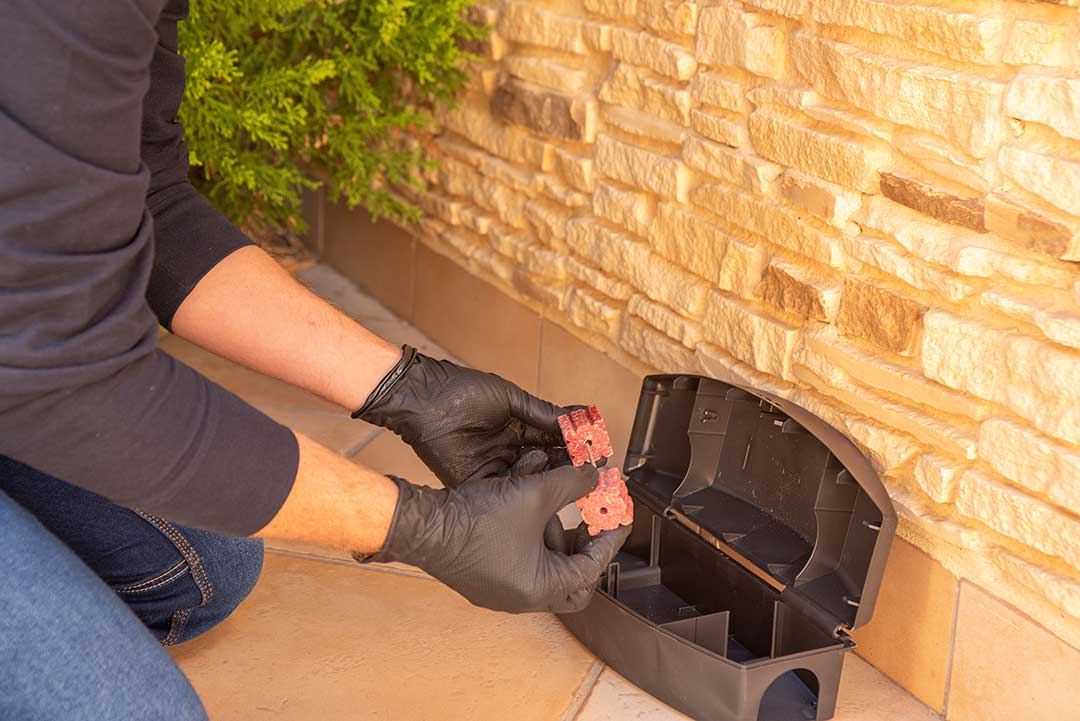
Scent-based rodent repellents are usually unreliable for long-term control. Peppermint oil, ammonia, mothballs, ultrasonic devices, and similar methods may cause brief avoidance in a small, exposed area, but rodents often return when shelter, warmth, or food is available.
For mice and other rodents, the effective nonchemical measures are exclusion and sanitation:
- Seal openings larger than about one-quarter inch with durable materials.
- Check garage doors, crawl-space vents, attic openings, and foundation joints.
- Trim vegetation that touches the structure.
- Keep birdseed, animal feed, and stored grain in rodent-resistant containers.
- Reduce clutter in garages, sheds, attics, and storage areas.
- Use traps carefully where children and pets cannot reach them.
Mothballs should not be used as an outdoor animal repellent. Their vapors are pesticides, and placing them in open areas can expose people, pets, wildlife, and soil to harmful chemicals.
What about mosquitoes around local homes?
Mosquito control works best when several small measures are used together. Remove standing water at least weekly, clean clogged drainage areas, and empty containers that collect rain. Screens and long sleeves provide a physical barrier during periods of activity.
For skin protection, choose a repellent with a clearly stated active ingredient and directions for use. Plant-derived PMD products can be an option for adults and children over the age specified on the label. Do not apply products to young children’s hands, eyes, mouth, cuts, or irritated skin. Repellent should be applied according to the label rather than more frequently or in larger amounts.
Outdoor candles and scented torches may reduce mosquito activity in a very small, calm area, but wind can quickly make them ineffective. Smoke and fragrance should not be treated as a reliable barrier.
Which popular natural remedies should be viewed skeptically?
Several household remedies are widely recommended but have limited or inconsistent results:
- Dryer sheets placed near doors or windows
- Garlic sprays used without addressing breeding or shelter sites
- Cinnamon or coffee grounds scattered indoors
- Ultrasonic plug-in devices
- Vinegar used as a general insect repellent
- Citrus peels left around rooms
- Essential oils sprayed without proper dilution
- Irish Spring soap or similar fragranced products used against rodents
Some may alter pest behavior briefly, but they do not address reproduction, food, moisture, or entry points. A temporary reduction in visible activity can also be misleading; pests may have moved into walls, cabinets, crawl spaces, or nearby outdoor areas.
When is a natural approach not enough?
A stronger response may be necessary when pests are entering food storage areas, damaging wiring or insulation, contaminating surfaces, repeatedly biting household members, or appearing in large numbers. Extra caution is warranted with rodents, stinging insects, suspected bed bugs, and any pest associated with illness or allergic reactions.
Natural repellents are most useful as a supporting measure. For lasting results, identify the pest, remove what attracts it, block access, and use any product exactly as labeled. That approach is safer and more dependable than repeatedly spraying strong scents without knowing where the pest is living.